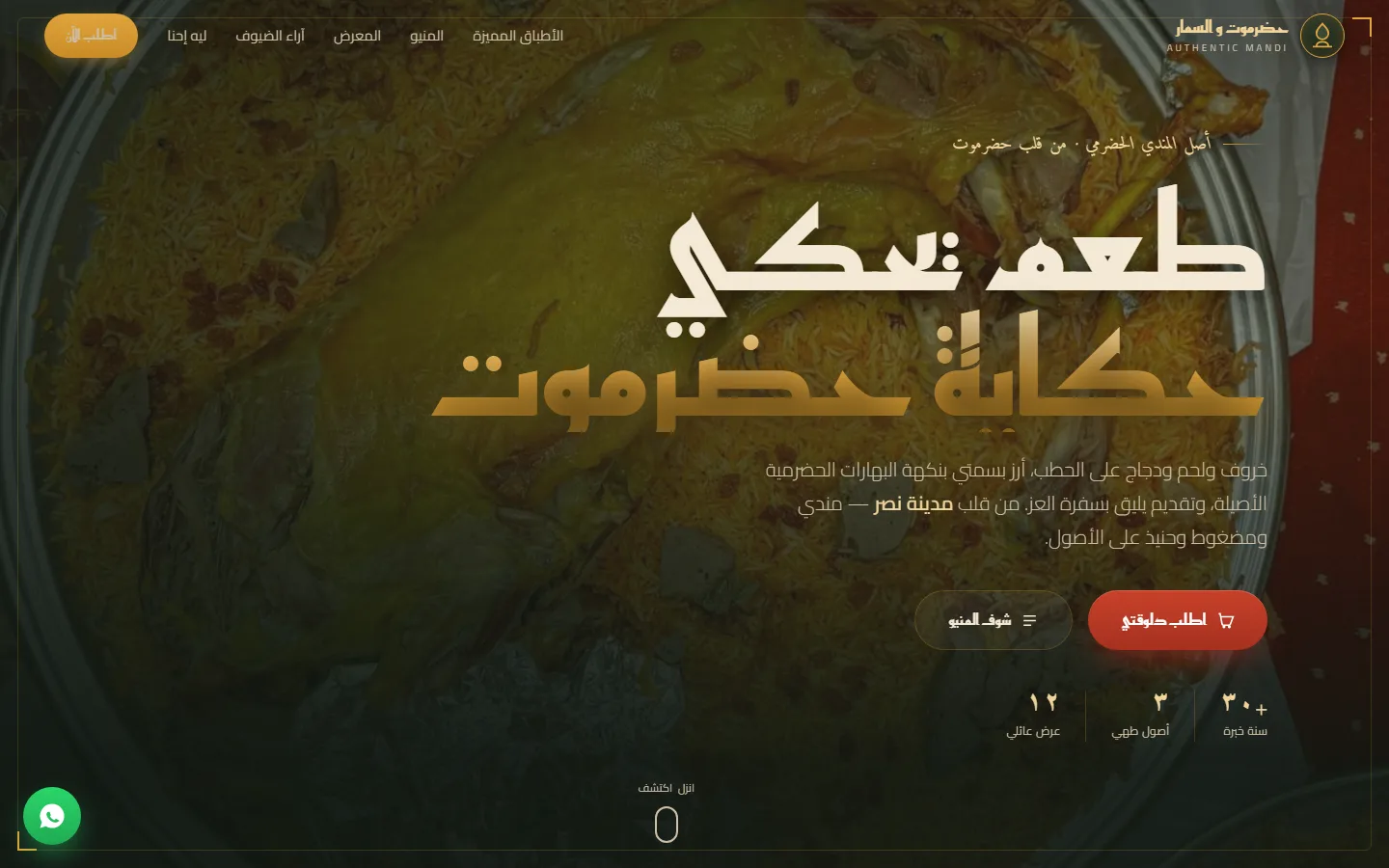
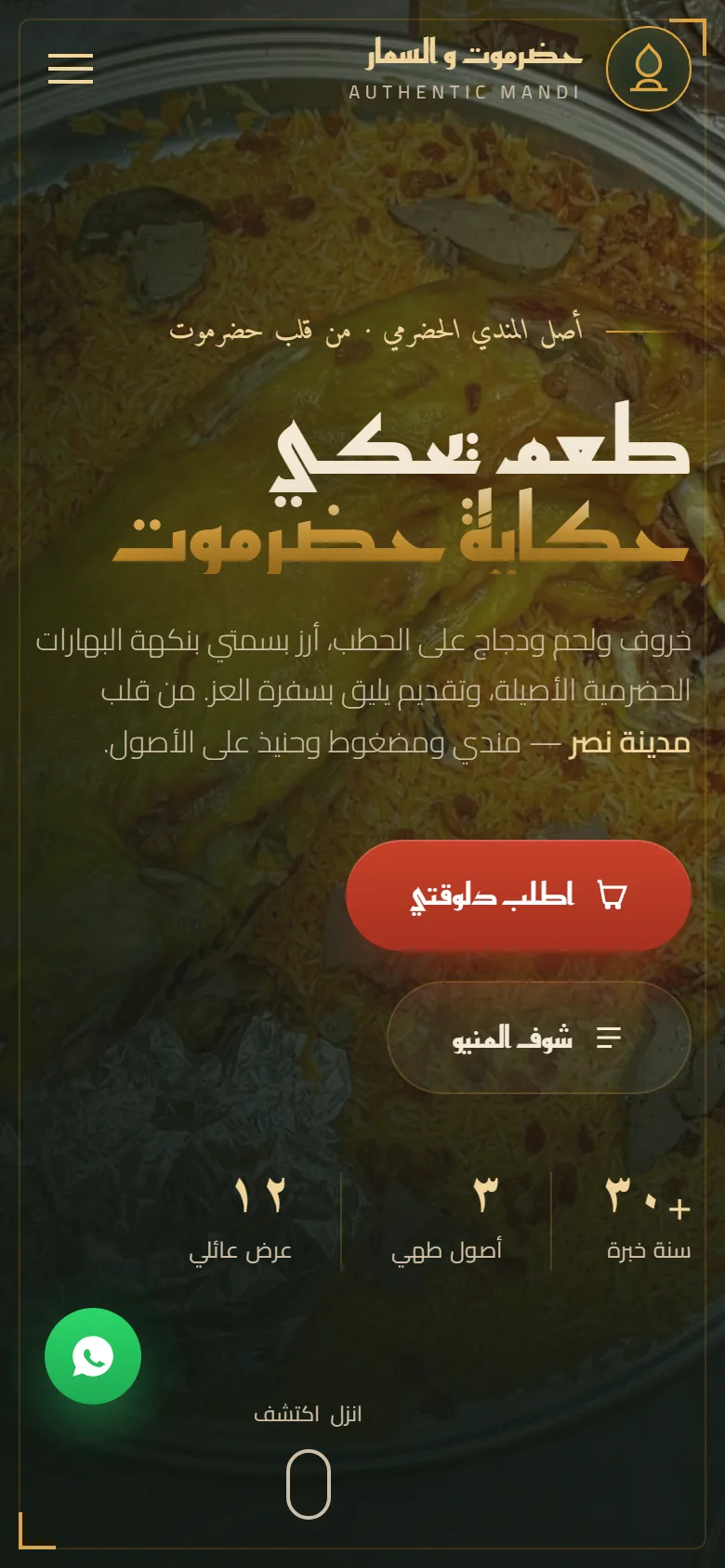
Arabic website development
Arabic and bilingual website development
Arabic is not a translated afterthought. It needs its own typography, direction, spacing, interaction and search strategy.
A bilingual website should feel native in both languages. SiteWise designs and develops Arabic RTL behavior deliberately, including navigation, cards, timelines, icons, forms, device layouts, content hierarchy and metadata. English and Arabic pages are connected correctly for users and search engines.
Best for
Egyptian and regional brands serving Arabic-speaking customers while maintaining an English business presence.
Primary customer action
The same clear conversion journey in Arabic and English
The business problem
What this website needs to solve.
Arabic pages are literal translations of an English layout.
RTL causes broken alignment, icons or navigation.
Search metadata and page relationships are not localized correctly.
Recommended system
The capabilities we would prioritize.
True RTL responsive layouts
Arabic-appropriate typography and spacing
Localized navigation and interactions
Bilingual forms and validation
hreflang, canonical and localized metadata
Natural Egyptian or formal Arabic copy direction
Delivery approach
How SiteWise turns the objective into a working website.
- 01
Define the audience and language style.
- 02
Plan equivalent—not identical—content structures.
- 03
Build and test LTR and RTL at every breakpoint.
- 04
Validate metadata, internal links and language switching.
Expected business value
What a stronger digital journey should improve.
A native-feeling Arabic customer experience
Consistent conversion paths across languages
Correct signals for multilingual search
A maintainable localization architecture
Questions
Practical answers before you start.
Do you use Egyptian Arabic or Modern Standard Arabic?
The choice depends on the brand, audience and sector. Consumer brands may use Egyptian Arabic, while medical or professional content may require a more formal register.
Can Arabic and English have different content?
Yes. The pages should serve the same intent, but wording, examples and emphasis can be localized for each audience.
Will language switching preserve the current page?
Yes. A properly built bilingual site maps equivalent pages so the visitor does not lose context when switching languages.